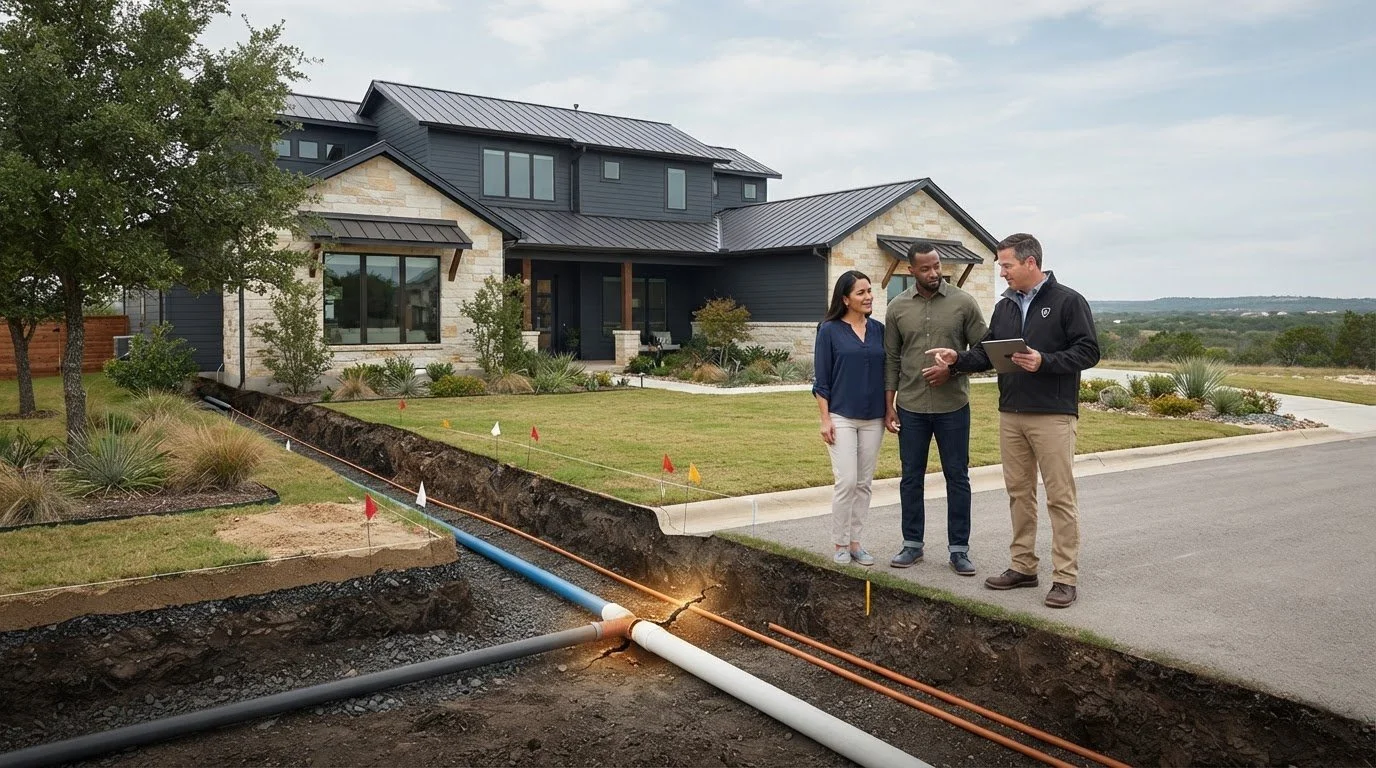
Service Line Coverage in Leander TX: What It Protects
Need a service line coverage endorsement in Leander, TX? Learn what underground water and sewer line repairs may be covered before unexpected breaks happen.
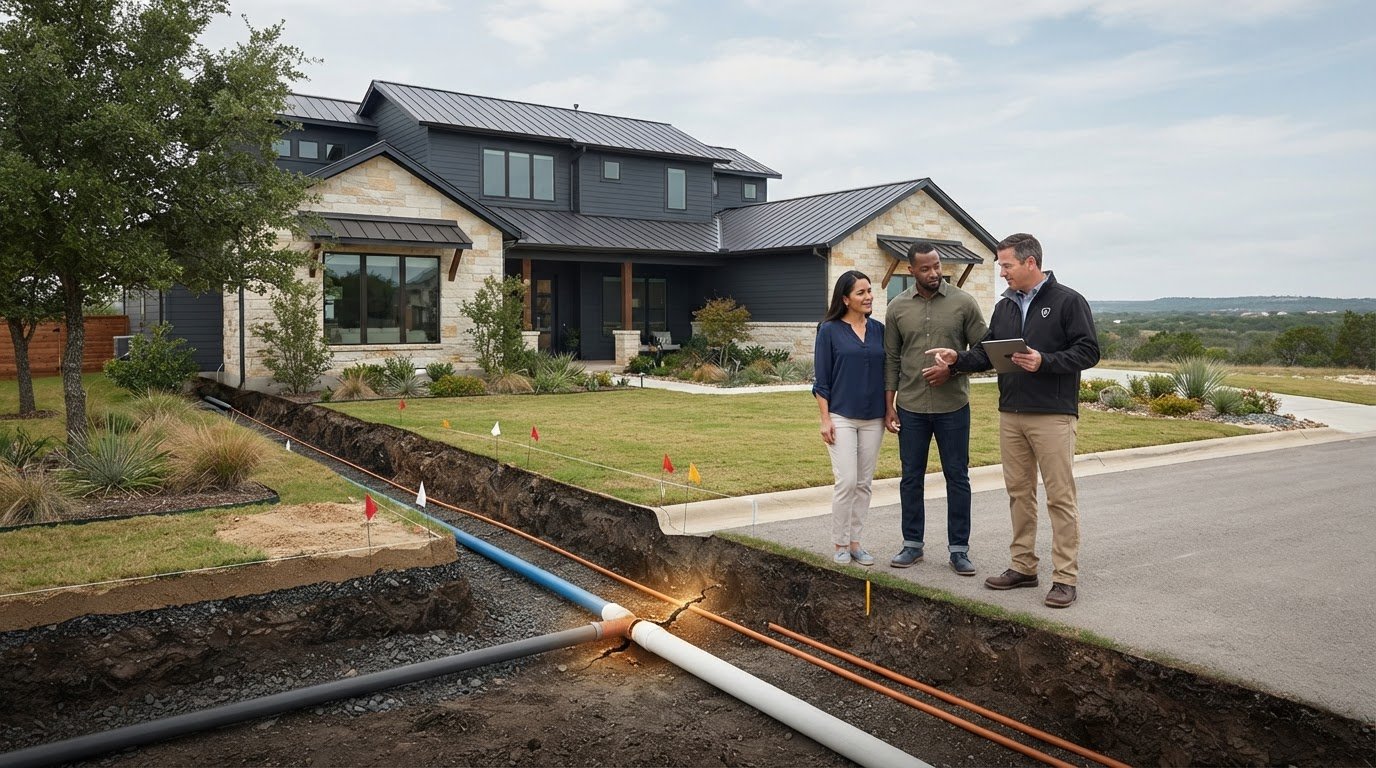
A damaged underground line can interrupt water, sewer, power, or other service to your home. A service line coverage endorsement in Leander, TX can help cover repair or replacement costs for eligible lines on the insured property, including excavation, labor, and materials. The lines and causes of damage that qualify depend on the endorsement.
It’s easy to assume the city handles a break because the line is buried, but responsibility depends on where the line runs and local rules. This article explains service line coverage, which types of damage may qualify, how an endorsement affects a homeowners policy, and where city responsibility may begin or end. Understanding these points can help you review your protection before a repair becomes urgent.
Key Takeaways
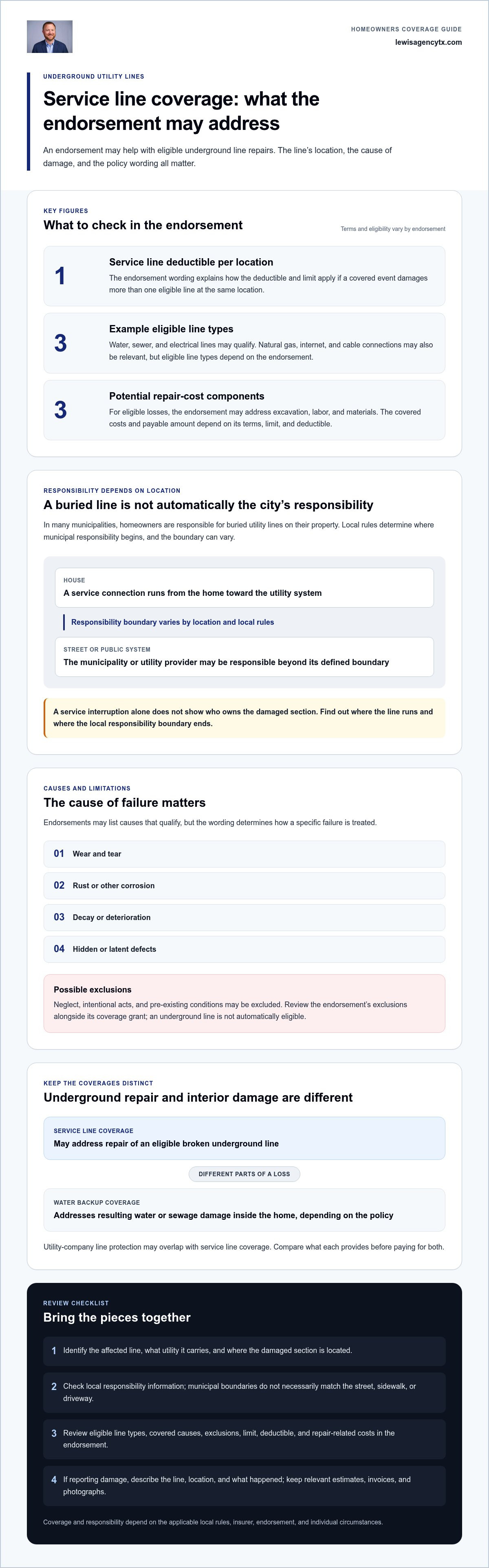
- Find out where responsibility for your water and sewer lines begins, since the boundary between homeowner and municipal responsibility can vary.
- Review the endorsement’s limit and eligible line types to understand how it may respond to a damaged underground line.
- Wear, corrosion, freezing, and other causes may qualify, depending on the endorsement’s terms and exclusions.
- Understand how an endorsement changes a homeowners policy form, including the commonly referenced HO 00 03 form.
- Compare service line coverage with any utility protection you already have to spot possible overlap.
Isn't the city responsible for my sewer and water lines?
Not necessarily. In many municipalities, homeowners are responsible for buried utility lines on their property, while local rules determine where municipal responsibility begins.
Homeowner Responsibility for Buried Lines
A homeowner may be responsible for the underground section connecting a house to a public utility line. That boundary matters: a break on the property side may leave the owner arranging and paying for repairs. For example, a sewer problem near the house may involve a different responsible party than a problem in the city’s main line.
The break’s location is central to determining responsibility. A water line may run from a municipal connection across a yard and into a home, but the division of responsibility varies by municipality. The same applies to sewer lines: a homeowner’s section may connect the house to a public sewer main, while the public system serves the wider neighborhood.
For a Leander property, find out where the city’s or utility provider’s responsibility ends before assuming a buried pipe is publicly maintained. Local rules vary, and the boundary may not match the visible edge of a street, sidewalk, or driveway. A service interruption alone does not show who owns the damaged section; its location matters.
Covered Underground Service Lines
Covered underground service lines are buried connections that carry utilities between a property and the street or utility system. Depending on the endorsement, eligible lines may include water, sewer, and electrical lines. A failure can interrupt an essential service even when the pipe or cable is hidden beneath a yard or driveway.
Other utility connections may include natural gas, internet, and cable lines, but eligible line types depend on the endorsement. For example, damage to an underground electrical line can interrupt power, while a water-line break can disrupt household water service. The policy wording determines which lines qualify and what conditions apply.
First, identify the line’s location and the utility it carries. Note whether the damaged section runs across the property, toward the street, or beyond the property boundary. Then review the municipality’s responsibility information alongside the policy endorsement. These details can help clarify whether the issue involves a private connection, a public system, or potential coverage for an eligible line.
Service line coverage may overlap with utility-company line protection plans, so compare what each covers before paying for both.
What is Service Line Coverage?
Service line coverage is an endorsement added to a homeowners policy for certain damage to underground utility lines. It may help pay eligible repair or replacement costs, including excavation, labor, and materials.
Coverage Limits and Deductible
The coverage limit is the most the endorsement may pay for a covered service line loss. The deductible is the amount applied under the endorsement’s terms. Both matter because excavation and repairs can cost more than fixing the damaged pipe or cable alone.
Compare the stated limit with the work described in the endorsement, including access to the damaged section and restoration related to repairs.
The endorsement also explains how its deductible applies. Only one service line deductible applies at each location. If a covered event damages more than one eligible line at the same location, the wording explains how the deductible and limit apply to the loss.
The limit does not guarantee a particular payment. Eligible costs, the deductible, and the policy terms determine the amount payable. That is why the limit alone does not explain the full protection.
Exclusions and Limitations
Exclusions and limitations describe circumstances or costs the endorsement does not cover. A damaged line does not automatically qualify for protection, even if it is underground and connected to the home.
Possible exclusions include neglect, intentional acts, and pre-existing conditions. For example, damage linked to an existing condition may be treated differently from a sudden failure. The endorsement’s wording defines how these terms apply and which line types and causes qualify.
Coverage can also differ by insurer and state. One endorsement may include a particular utility line, while another may define eligible lines or covered expenses differently. Review the exclusions alongside the coverage grant instead of relying on the endorsement’s name.
Service line coverage and water backup coverage address different parts of a loss. Service line coverage may pay to repair a broken pipe; water backup coverage addresses resulting water or sewage damage inside the home. Leander homeowners reviewing both can distinguish the underground repair from interior cleanup and damage.
Review the endorsement’s limit, deductible, covered-line definitions, and exclusions together. These terms show how the policy treats excavation, repair, replacement, and related expenses after a service line failure.
Covered causes of loss
Service line endorsements list causes of damage that may qualify for coverage. How a line failed matters: a frozen water pipe, corroded sewer pipe, and damaged electrical connection can involve different causes and policy terms.
How do Leander homeowners file a service line damage claim? Report the damage through the insurer’s claims process. Describe the affected line, its location, and what happened. Keep relevant records, such as repair estimates, invoices, and photographs, so the insurer can review the loss and associated expenses.
Covered occurrences can include wear and tear; rust or other corrosion; decay; deterioration; and hidden or latent defects. These terms describe different forms of gradual or concealed damage. Corrosion, for example, can weaken a buried metal pipe, while a latent defect may not be visible until the line fails. The endorsement’s wording determines how a cause is treated.
Other listed causes can include collapse, electrical, mechanical, or pressure systems breakdown, and freezing. Collapse coverage excludes collapse caused by sinkhole or subsidence. If shifting ground causes a line to give way, the physical result may look similar to other damage, but the stated cause can affect how the loss is evaluated.
Underground lines can be stressed in several ways. Tree roots can grow around a sewer pipe, aging infrastructure can deteriorate, ground shifts can put pressure on connections, and extreme weather can contribute to damage. These are possible causes, not proof that a particular loss qualifies. The insurer evaluates the cause under the endorsement’s terms.
For example, roots pressing against a buried sewer line could cause a blockage or break. A frozen water line is another possibility, while a damaged electrical connection may interrupt power. In each case, consider which line was affected, what caused the damage, and whether the endorsement lists that cause as a covered occurrence.
Some endorsements may also cover landscaping restoration or personal property damage caused by a service line failure. These associated losses are separate from repairing or replacing the line itself. For example, a lawn damaged during excavation involves restoration work, and coverage depends on how the endorsement treats that expense.
Before repairs proceed, document visible damage and keep records of communications and costs. The insurer reviews the reported cause under the applicable policy terms. Covered causes, eligible expenses, and limits depend on the endorsement, so its list of causes is a starting point, not a guarantee of payment.
Homeowners policy forms modified by the endorsement
A service line endorsement adds specific terms to a homeowners insurance policy. One identified example modifies the HO 00 03 Homeowners 3 Special Form.
Leander homeowners should treat this as an optional coverage choice, not assume it is included in every policy. The endorsement’s wording explains what it changes.
Adding the Endorsement to a Policy
An endorsement is added to an existing homeowners policy to change or expand its terms. The base policy and added wording work together when a loss occurs.
For example, the service line enhancement endorsement modifies the HO 00 03 form. It adds terms addressing eligible underground service line losses, rather than replacing the entire homeowners contract. The policy and endorsement should be read together: the base form supplies the broader structure, while the endorsement describes the added protection and its limits.
Look for the endorsement in your policy documents and note its form name, covered lines, causes, exclusions, and limit. A label alone does not show whether a particular utility or repair expense qualifies. If a water line fails, the endorsement helps explain how the added terms apply alongside the underlying homeowners policy.
Service Line Coverage Requirements
Service line coverage is an optional endorsement, not a standard feature to assume is included in every policy. This helps Leander homeowners distinguish an additional coverage choice from the basic terms of their homeowners insurance.
The endorsement can be added to a policy, but its presence depends on whether it is attached to that policy, not simply on whether the home has water, sewer, or electrical service. A buried sewer lateral, for instance, does not by itself mean the policy includes this protection.
Policy forms also vary. HO 00 03 is a commonly referenced homeowners form, but actual Texas policy forms and coverage differ by insurer. The endorsement example specifically modifies HO 00 03; that does not mean every Texas homeowner has that base form.
Look at the declarations and endorsement pages for the form names listed on your own policy. Then compare the endorsement’s coverage grant with its exclusions and limits. If the policy lists a different base form, the relevant question is how its attached endorsement changes that form, not whether the HO 00 03 example automatically applies.
This distinction matters when a utility line fails. The endorsement may add coverage for specified service line losses, while other policy terms still govern the rest of the claim. Reading the complete policy helps clarify which terms apply to a particular loss.
Service line coverage as a home insurance endorsement
An endorsement changes selected terms of a homeowners contract, while the rest of the policy wording remains in effect. Leander homeowners should read a service line coverage endorsement alongside the underlying policy to understand how both apply to a loss.
The endorsement may address repair or replacement costs after covered damage to an underground service line. A standard homeowners policy typically does not cover repairing or replacing a damaged service line. Depending on the endorsement’s terms, coverage may include excavation, labor, and materials, subject to stated limits.
How does service line coverage differ from a home warranty or utility service protection plan? It is an endorsement within homeowners insurance; a warranty or utility protection plan is a separate agreement. The contracts may cover different repairs and eligible lines, and may have different exclusions. Compare their terms to spot overlapping protection.
Which homeowners insurers offer service line coverage in Leander, TX? Insurers may offer it as an endorsement, but availability and terms vary. When comparing policies, focus on the endorsement’s line definitions, covered causes, and limits rather than its label.
Settlement terms can also affect the benefit. Some endorsement wording settles a covered service line loss using the smaller of the cost to replace damaged property without depreciation or the cost to repair it. If repair and replacement estimates differ, the specific settlement language determines which amount is considered.
Some endorsements may extend beyond the physical line. They may include additional living expenses if a service line failure makes the home temporarily uninhabitable. Some may also cover lost business income if the failure interrupts business operations. These benefits depend on the endorsement’s terms and address distinct consequences of a failure.
Green upgrades are another possible feature. For covered service line property, an endorsement may cap payment at 150% of the cost to repair or replace it with like kind and quality, including specified fees, costs, and loss of use. The endorsement described here recognizes LEED, Green Globes, and the Energy Star Rating System as green rating systems.
Utility-company line protection plans may overlap with a homeowners endorsement, but the contracts can cover different expenses. Compare which lines and causes each covers, how excavation is treated, and whether either includes additional living expenses. Reviewing a service line coverage endorsement in Leander, TX alongside a utility plan can clarify whether the protections address separate needs or overlap.
Review your homeowners policy to understand how an endorsement’s coverage, limits, and settlement terms fit together.
The Lewis Agency: Homeowners Insurance Policies
The Lewis Agency provides homeowners insurance guidance to Central Texas homeowners, including in Leander, Austin, Cedar Park, Georgetown, Round Rock, and Liberty Hill. If you’re reviewing an endorsement, focus on its covered lines, causes of damage, exclusions, limits, and deductible. The agency’s free online Resource Center offers plain-English guidance on deductibles, claims, water damage, and other common homeowners insurance questions.
This review can also help distinguish a service line endorsement from other policy protections, such as coverage for damage inside the home after a backup. Coverage and terms vary by policy, so the written documents matter when evaluating a specific situation.
For plain-English guidance on homeowners insurance and policy endorsements, visit The Lewis Agency’s free Resource Center or contact the agency.
Make your next policy review more useful
Many homeowners carefully review their dwelling coverage, roof deductible, and liability limits but overlook the underground utility lines serving their property.
A damaged water or sewer line can create an unexpected expense, particularly when excavation is necessary to reach the problem. And while homeowners insurance may offer service line protection through an endorsement, coverage is not automatically included in every policy.
At The Lewis Agency, we help homeowners in Leander, Austin, Cedar Park, Georgetown, and surrounding Central Texas communities understand their homeowners insurance coverage.
With more than 25 years of homeowners insurance experience, Chris Lewis understands the importance of reviewing coverage details before an unexpected loss occurs.
Have questions about service line coverage? Contact The Lewis Agency at 512-494-4888 to review your homeowners policy and discuss available coverage options. Coverage availability, eligibility, limits, deductibles, and exclusions vary by policy.
Frequently Asked Questions
What does a service line coverage endorsement cover?
It may cover eligible costs to repair or replace a damaged underground service line, according to the endorsement’s terms. A claim might involve accessing a buried line, not just fixing the damaged section, so review how excavation and related work are handled. The endorsement also defines qualifying causes of damage. Damage inside the home after a sewer backup is a separate concern and may involve different policy coverage.
Which underground utility lines are covered by service line insurance?
Water, sewer, and electrical lines are common examples. Some endorsements also include natural gas, internet, or cable connections. The listed utility type matters: a line serving one function does not automatically qualify because another line is covered. If you’re reviewing a buried cable issue, look for cable or communications lines in the endorsement’s definitions rather than relying on the general phrase “service line.”
What exclusions and coverage limits apply to service line endorsements?
Endorsements can exclude losses involving neglect, intentional acts, or pre-existing conditions. They also set a maximum payment and define which repair expenses count toward it. A repair estimate may include access work and restoration, but the endorsement determines whether each item is eligible. Read the exclusions alongside the coverage grant: a listed cause alone does not mean every cost is covered.
Does service line coverage include sewer lines, water lines, and electrical lines?
It may cover all three, but the endorsement must list or define those eligible line types. A sewer lateral, water connection, and underground electrical cable serve different purposes, so check each category separately in the policy documents. If one incident affects more than one utility, the endorsement explains how the covered property and expenses are evaluated together.
Who is responsible for repairing water and sewer lines between a Leander home and the street?
Responsibility depends on where the damaged section lies and how local rules divide responsibility between homeowners and the municipality. A private line running through a yard may be treated differently from a public main beneath a street. For a Leander property, locate the break and determine whether it is on the private connection or public system. The street edge alone does not establish the boundary.

Article by
Chris Lewis
Chris Lewis is the owner of The Lewis Agency, an Allstate insurance agency serving Austin and Central Texas. With more than 25 years of insurance experience, Chris focuses on helping Central Texas homeowners better understand their insurance coverage, including deductibles, roofs and hail, severe weather risks, water damage and other important coverage considerations. He created LewisAgencyTX.com to provide practical homeowners insurance education and help homeowners better understand their coverage before they need it.
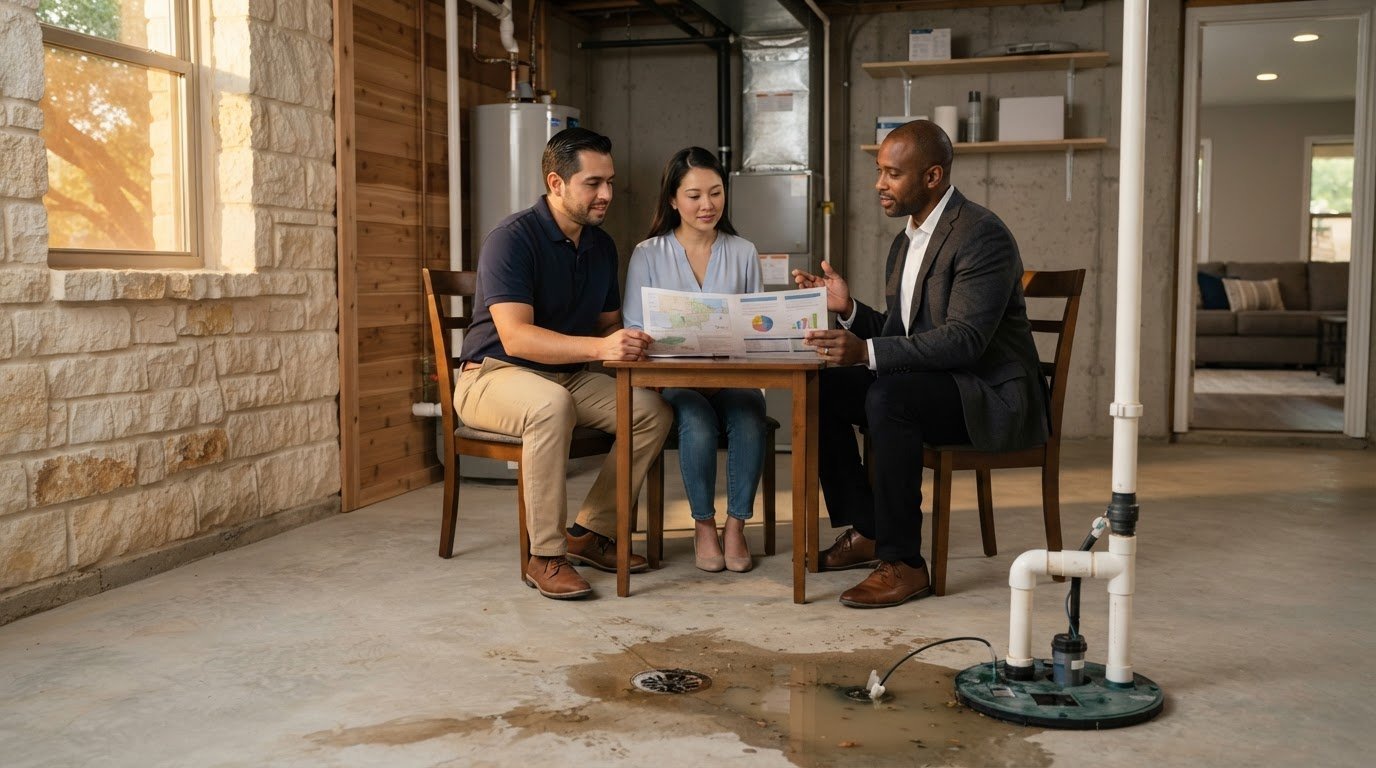
Water Backup Endorsements in Round Rock and Their Cost
Learn what a water backup endorsement for Round Rock homeowners covers, how sump pump overflows are handled, and what influences endorsement coverage costs.
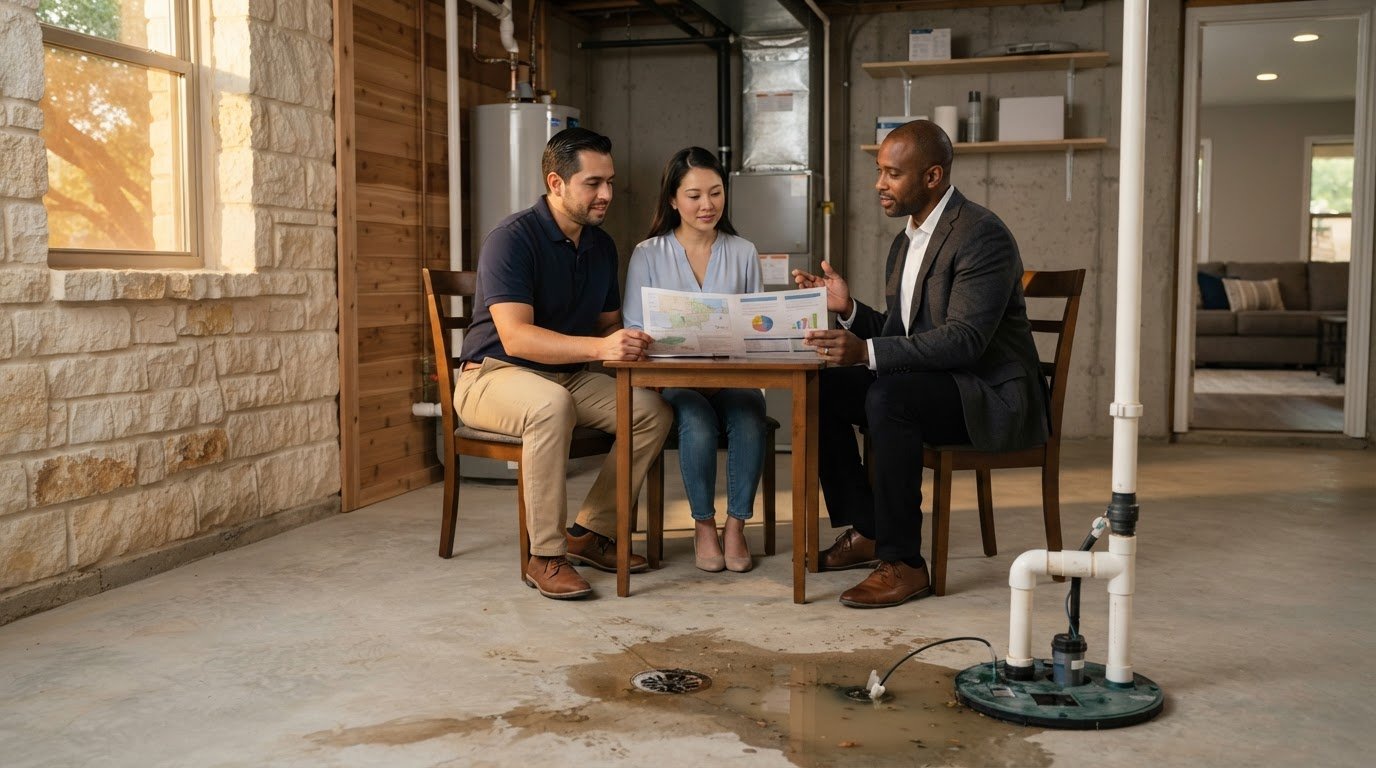
For Round Rock homeowners, a water backup endorsement may cover certain damage when water or sewage backs up through a sewer or drain, or overflows from a sump system. It may help pay for damage to the home and belongings, but generally won’t cover replacing a damaged sewer line or repairing the sump pump itself. Cost and limits depend on the policy.
The source of the water matters because homeowners insurance can treat different losses differently. This article explains what backup coverage may protect, what can affect its cost, how damage to a sump pump differs from damage caused by pump failure, and how to add an endorsement to a policy. It also explains how backup damage differs from flooding and sudden pipe leaks.
Key Takeaways
- Water backup coverage may help with damage from sewer or drain backups and sump overflows, but it doesn’t cover every water loss.
- Look closely at exclusions, coverage limits, and deductibles to understand how an endorsement could respond to a backup.
- Damage caused by a sump pump overflow is different from damage to the pump itself, which may not be covered.
- The source of the water matters: backup damage, flooding, and a sudden burst pipe can be treated differently under a homeowners policy.
- Review your policy’s endorsement options and wording to understand how to add coverage that fits your home.
What Is Water Backup and Do You Need Water Backup Coverage?
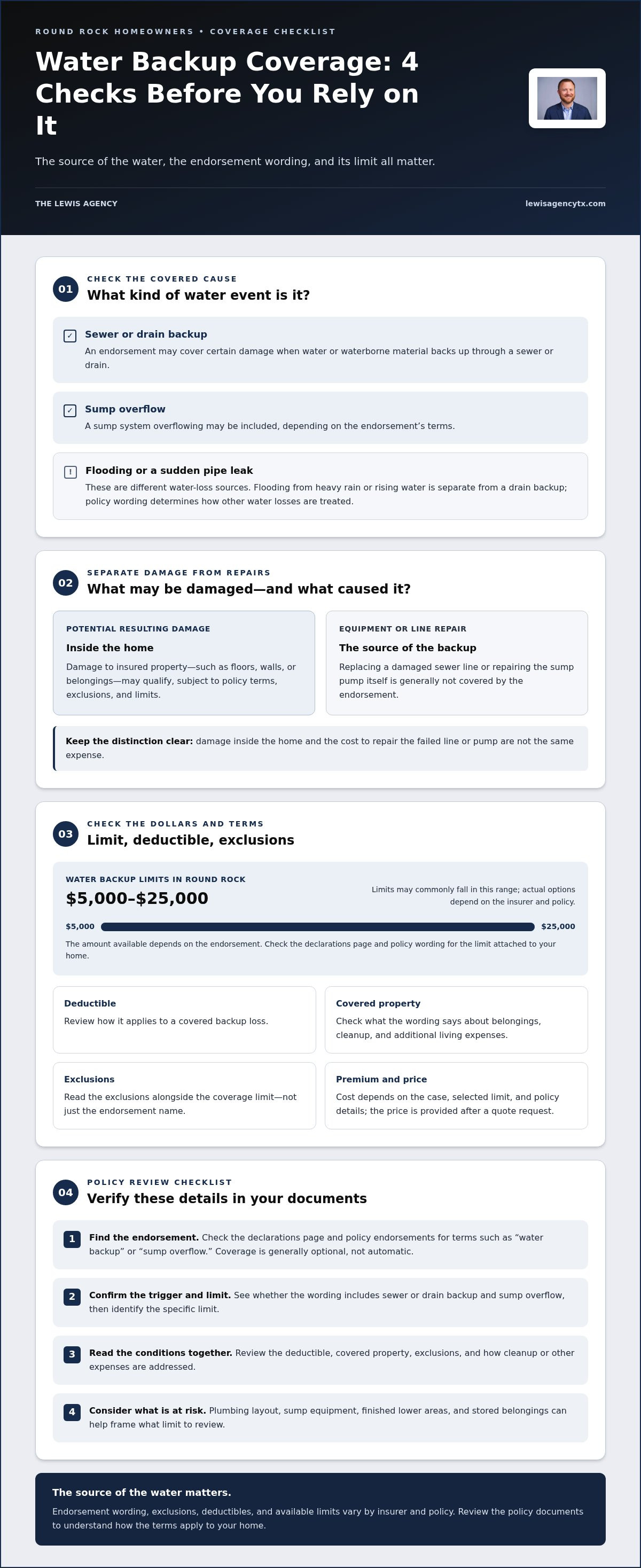
For Round Rock homeowners, a water backup endorsement may cover certain damage from backed-up drains or overflowing sump systems. Whether it fits your home depends on the policy wording, your plumbing, and the coverage limits you choose.
Water backup coverage is generally optional, not automatic. Its place in a homeowners policy is separate from any conditions in a mortgage agreement, so review your policy and loan documents for their respective terms.
Water Backup and Sump Overflow Coverage
A water backup and sump overflow endorsement may cover damage to insured property when water or waterborne material backs up through a sewer or drain, or overflows from a sump. This can matter when contaminated water reaches floors, walls, or belongings before you can stop it.
Examples include sewage backing up through a basement drain, a clogged drain causing a toilet overflow, or a sump pump system overflowing. Some limits commonly start at $5,000, but the amount available depends on the endorsement. Check whether the stated limit fits the property and cleanup costs you could face.
Coverage Exclusions
A water backup endorsement doesn’t cover every water-related loss. Flooding and damage to the failed pump or sewer line itself are common exclusions. Resulting damage inside the home isn’t the same as the cost of replacing the equipment or line that caused it.
Flooding from heavy rain, an overflowing river, or a tidal surge is different from water backing up through a drain. A separate flood policy may be relevant to flood risks. Endorsement wording also determines how exclusions apply, including whether damage to personal belongings or additional living expenses may qualify.
For example, if a sewer backup damages flooring and the sewer line also needs replacement, the endorsement may cover the indoor damage but not the line repair. Read the policy’s definitions, exclusions, and limit together rather than relying on the endorsement’s name alone.
Coverage in Homeowners Policies
Homeowners insurance doesn’t automatically include water backup coverage in every policy. You may need to add an endorsement, and available limits and terms depend on the insurer and policy.
Check the declarations page and endorsements for terms such as “water backup” or “sump overflow.” Then review the limit, deductible, covered property, and exclusions in the policy wording. If the endorsement isn’t listed, don’t assume a drain backup is covered just because you have homeowners insurance.
Is sinkhole coverage relevant when buying a home? Review it separately from water backup coverage. Sinkhole coverage concerns sudden land collapse; gradual settling or erosion may not meet that description. It addresses a different cause of property damage, so its presence doesn’t tell you whether drain backups are covered.
A Round Rock homeowner can weigh the home’s plumbing layout, sump equipment, and belongings in lower areas when considering limits. Older pipes, nearby trees, or a community sewer system may also make the policy wording worth reviewing. The key question is whether the endorsement’s covered causes and limit match the risks around your home.
What Is a Sewer Backup Endorsement and What Does It Cost?
A sewer backup endorsement may add protection for covered damage when wastewater backs up through a sewer or drain. Its terms matter because a backup, a flood, and a damaged buried sewer line can involve different coverage.
Coverage options and limits vary by insurer and policy, so compare the endorsement wording, covered causes, exclusions, and deductible. The endorsement’s price depends on the case and is given after a quote request; factors include the selected limit and policy details.
Sewer and Drain Backup Exclusions
A sewer backup endorsement may cover damage to insured property from water backing up through a sewer or drain, but it won’t necessarily cover every related repair. This matters if the backup damages furniture while a buried sewer lateral also needs replacement.
Flooding from heavy rain or rising water is a separate cause of damage and generally falls outside water backup coverage. The endorsement may also exclude the cost of repairing or replacing the underground sewer line itself. Review both exclusions before assuming one limit applies to cleanup, belongings, and pipe repairs.
Comparing Water Backup Coverage
Texas homeowners insurers can differ in endorsement wording, available limits, deductibles, and how they treat covered property. Comparing the policy documents directly is more useful than comparing endorsement names alone.
Check whether the terms cover water or waterborne material backing up through drains and whether they include sump overflows. Review how the deductible applies and what the policy says about cleanup, damaged belongings, and additional living expenses. These details affect what you may be responsible for after a sewer backup.
To understand the cost, consider the selected coverage limit and policy terms alongside the premium quoted for your home. A lower limit may leave you responsible for more of a large loss, while a higher limit means purchasing more coverage.
Available Coverage Limits in Round Rock
Round Rock homeowners may find water backup limits commonly ranging from $5,000 to $25,000. The actual options depend on the insurer and policy, so use the declarations page and endorsement wording to identify the limit attached to your home.
Consider what could be affected by a backup, including flooring, finished rooms, stored belongings, and cleanup needs. A hypothetical loss affecting a finished lower level could involve several types of property, while a smaller event might affect only one room. Match the limit to the areas and belongings at risk, then consider the deductible separately.
Prevention can reduce some causes of a sewer backup, although it can’t change policy exclusions. Flush only toilet paper, and put cooled cooking grease in the garbage rather than down the drain. Roots can enter cracks in sewer lines and trap debris, so a camera inspection can help identify concerns before a blockage worsens. A backwater prevention valve in lower-level drains may also help keep sewage from flowing back into the home.
If repeated backups or slow drains raise questions about your policy, a homeowners policy review can help clarify how the endorsement and its limits apply.
Sump pump failure and overflow
A sump pump moves water away from a foundation, but mechanical failure or a power outage can stop it from working. If water then overflows from the sump and damages insured property, a water backup and sump overflow endorsement may apply. The pump itself and related equipment are treated differently from the resulting water damage.
Picture a sump pump failing during a storm, allowing water to spread across a finished room. The endorsement may cover eligible damage to flooring, walls, or belongings, subject to its terms and limit. In an illustrative example, a $15,000 sump pump damage claim has a $10,000 coverage limit and a $1,000 deductible. The limit and deductible affect the amount available for covered damage; the example doesn’t promise a particular claim payment.
Pay close attention to power failure wording. A pump can stop because of mechanical breakdown, a power outage, or water overwhelming the system. The endorsement determines whether resulting damage is covered when the pump fails or overflows. A battery backup sump pump may help keep water moving during an outage, but it doesn’t change policy exclusions or guarantee coverage.
Keep the equipment and surrounding drainage system in working order. Follow the pump manufacturer’s maintenance guidance, keep the sump area clear, and check that the discharge path isn’t blocked. Look for slow flow or gurgling in nearby drains, which can signal a developing blockage. If your home has a basement or lower-level rooms, avoid storing belongings where water could collect.
A backwater prevention valve in lower-level drains can help limit sewage flowing back into a home. It serves a different purpose from a sump pump: the valve helps restrict reverse flow through drains, while the pump moves subsurface water away from the foundation. Both systems need attention, and neither replaces insurance coverage for an insured loss.
Standard homeowners coverage and endorsements don’t treat every water event alike. A sudden pipe burst differs from water backing up through a drain or sump. The endorsement’s definitions and exclusions explain how it handles water caused by pump failure, including whether damage to the pump itself is excluded. Read those details alongside the stated limit before deciding whether the protection fits your home.
For Round Rock homeowners, consider the sump’s location, what’s nearby, and whether a power loss could interrupt pumping. Keep a record of maintenance and note any recurring overflow or drainage problems. These practical details help clarify the role of the endorsement and identify questions about the policy wording before a water problem occurs.
Separating backup damage from other water damage
The source of water helps determine which part of a homeowners policy may apply. A drain backup, a sudden pipe burst, and flooding can all damage a home, but they are different events. For Round Rock homeowners, identifying where the water came from is a practical first step when describing a loss and reviewing the relevant policy language.
Water backup coverage may apply when water or sewage pushes through a sewer or drain into the home. A sudden pipe burst is different: homeowners insurance typically covers damage from a pipe that suddenly bursts, subject to the policy’s terms. Flooding from heavy rain or rising water is another category, and a water backup endorsement generally doesn’t cover flood damage.
The difference can matter even in the same room. If a pipe bursts behind a wall, water may damage drywall, flooring, and furniture. If a sewer backs up through a floor drain, the endorsement may cover resulting damage to insured property. If outside floodwater enters that room, the backup endorsement isn’t designed to cover that cause.
Covered property can include the home’s structure and, depending on the policy, personal belongings. For example, contaminated water could damage flooring, electrical systems, walls, or furniture. This illustrates how property can be affected, but the policy wording determines how a specific loss is handled.
The cause of the water and the source of the damage also matter for buried pipes. Tree roots can enter cracks in sewer lines and collect debris, eventually contributing to a blockage or backup. An endorsement may cover resulting indoor damage, while the cost of repairing or replacing the buried sewer lateral may fall outside its coverage. Separate terms can apply to underground service lines.
Cleanup is another part of the loss to consider. Removing standing water and drying affected materials promptly can help limit ongoing damage and mold growth. Water backup cleanup and drying takes an average of 3.5 days. During cleanup, keep records of affected rooms and belongings, and photograph visible damage before removing damaged items when it is safe to do so.
When reporting water damage, describe what happened plainly: where the water first appeared, whether a pipe broke, and whether water came through a drain. Keep receipts for emergency work and list damaged property, such as furniture or appliances. Those details help distinguish backup damage from other water problems and make it easier to find the relevant policy provisions.
Adding an endorsement to a homeowners policy
Start by reviewing your current homeowners policy. Find the declarations page and endorsement schedule, then look for water backup or sump overflow wording. If it isn’t included, ask the insurer about adding an endorsement. The policy documents should show the selected limit, deductible, premium, and effective date.
Before choosing a limit, consider which parts of the home could be affected. A basement or lower-level room may hold furniture, stored belongings, or household equipment. Think through how a sewage backup could affect those items and the surrounding building materials. Choose an amount that reflects the potential covered loss rather than simply selecting the lowest available option.
Read the endorsement itself rather than relying on a short description. Check how it defines backup, which drains or sump systems it addresses, and whether it covers damage to personal property. Look for exclusions involving floods, the pump itself, or buried sewer lines. The deductible and limit matter too: they shape how much of a covered loss could remain your responsibility.
Ask for the proposed change in writing. Review the updated policy documents after the endorsement is added and confirm that the stated limit matches your selection. Keep the documents with your other home records, including a note of the effective date. If comparing options, use the same questions for each version of the endorsement so the differences are clear.
Timing matters, too. Discuss the change before a water problem occurs, since the endorsement’s effective date determines when its terms apply. Don’t assume that requesting a change means coverage begins immediately. Confirm the date shown in the updated documents, then save a copy where you can find it during an emergency.
For example, a Round Rock homeowner with a basement might list the belongings stored there, note nearby drains, and review the policy’s exclusions. This inventory helps clarify what the selected limit is intended to cover. It also separates water backup concerns from flood risks or repairs to the sewer line itself, which may involve different coverage.
Once you’ve reviewed the wording, write down any remaining questions about the limit, deductible, exclusions, or effective date. A focused policy discussion can clarify how the endorsement fits the homeowners coverage already in place. Review your homeowners coverage and ask for help understanding the endorsement language.
The Lewis Agency: Homeowners Insurance Policies
The Lewis Agency is an Allstate agency that helps homeowners understand their homeowners insurance policies, including water backup endorsements. If you’re unsure how your policy addresses sewer backups, sump overflows, limits, or exclusions, the agency can help explain the relevant wording and claims process.
Bring your declarations page and endorsement documents to a policy discussion. Reviewing them can help you identify the listed coverage, applicable deductible, and questions about damage to your home or belongings. Coverage and claim decisions depend on the policy and individual circumstances.
If you’d like help understanding your homeowners coverage, contact The Lewis Agency or visit lewisagencytx.com.
Make your next policy review count
A home changes over time, and insurance questions can change with it. A finished basement, new storage habits, or plumbing work may shape what you want to review. Keep a short note of home changes for your next policy conversation. It’s a practical starting point for discussing whether a water backup endorsement for Round Rock homeowners fits your needs.
Use that review to consider how the endorsement fits with the rest of your policy. The Lewis Agency offers homeowners insurance policies, auto insurance, and landlords insurance. Coverage terms and claim decisions depend on the policy and circumstances.
Contact The Lewis Agency to discuss your homeowners coverage. A clear review can help you move forward with greater understanding and confidence.
Frequently Asked Questions
Does homeowners insurance cover sewer line replacement?
Homeowners insurance typically doesn’t cover replacing an underground sewer line simply because it’s damaged or worn. A backup endorsement may cover resulting damage inside the home, while service-line coverage, if included, may cover the buried line itself. For example, if a blockage damages indoor flooring and the lateral also needs repair, those costs may fall under different policy terms. Check each coverage section separately.
How Do You Get Ahead of a Sewer Backup Problem Before It Happens?
Reduce common blockage risks by flushing only toilet paper and putting cooled cooking grease in the garbage. Watch for slow drains, gurgling pipes, sewage odors, or recurring issues, and address them before they worsen. A camera inspection can help reveal obstructions or root intrusion in a sewer line. Keeping notes on repeated drainage problems also gives you useful details for a plumber and for understanding your property’s risk.
How do I know if my sewer line is at risk?
Repeated slow drains, gurgling, sewage odors, or water pooling near a cleanout can point to a sewer-line problem. Trees or shrubs nearby may matter because roots can enter cracks and trap debris. If symptoms recur or several fixtures drain poorly at once, a camera inspection can help identify the issue. For a Round Rock home, note when problems occur and which drains are affected.
How does the deductible interact with the limit?
The deductible is the amount applied to a covered loss, while the limit caps the amount available under the endorsement. For example, with a covered loss of $10,000, a $1,000 deductible, and a $10,000 limit, an illustrative calculation leaves $9,000 after the deductible. Policy wording determines how the deductible is applied, so read that section before estimating your share.
What should not be charged against the backup limit?
Don’t assume costs excluded by the endorsement are covered within its backup limit. Sewer-line replacement and repair of the failed sump pump itself may fall outside water backup coverage. Flood damage is a separate cause as well. Keep invoices itemized so cleanup, damaged building materials, personal belongings, and excluded equipment or line work are distinguishable during a claim review.
What does a water backup endorsement cover on a homeowners policy?
A water backup endorsement may cover damage to insured property when water or waterborne material backs up through a sewer or drain, or overflows from a sump. Depending on the policy, insured property may include parts of the home and personal belongings. For instance, a backup affecting a laundry room could damage flooring and stored items. The endorsement’s wording and limit determine what applies.
Does a water backup endorsement cover sewer backup and sump pump overflow?
It may cover both if the endorsement’s terms include sewer or drain backups and sump overflow. The cause and resulting damage matter: sewage entering through a floor drain differs from rainwater entering through an exterior opening. Check the endorsement’s definitions, exclusions, deductible, and limit. A broken pump may be treated differently from water damage caused by its failure.
What is excluded from water backup coverage, including flooding and gradual leaks?
Flooding from heavy rain or rising rivers is generally separate from water backing up through a drain, so a backup endorsement isn’t designed for flood damage. Gradual seepage or a slow leak also differs from a sudden drain backup, and its treatment depends on the policy wording and circumstances. Review exclusions for the specific source of water rather than assuming every indoor water loss fits the endorsement.
Article by
Chris Lewis
Chris Lewis is the owner of The Lewis Agency, an Allstate insurance agency serving Austin and Central Texas. With more than 25 years of insurance experience, Chris focuses on helping Central Texas homeowners better understand their insurance coverage, including deductibles, roofs and hail, severe weather risks, water damage and other important coverage considerations. He created LewisAgencyTX.com to provide practical homeowners insurance education and help homeowners better understand their coverage before they need it.
Actual Cash Value vs. Replacement Cost for a Texas Roof
Compare actual cash value vs replacement cost roof Texas coverage to understand how depreciation affects roof storm claims in Austin and Central Texas.
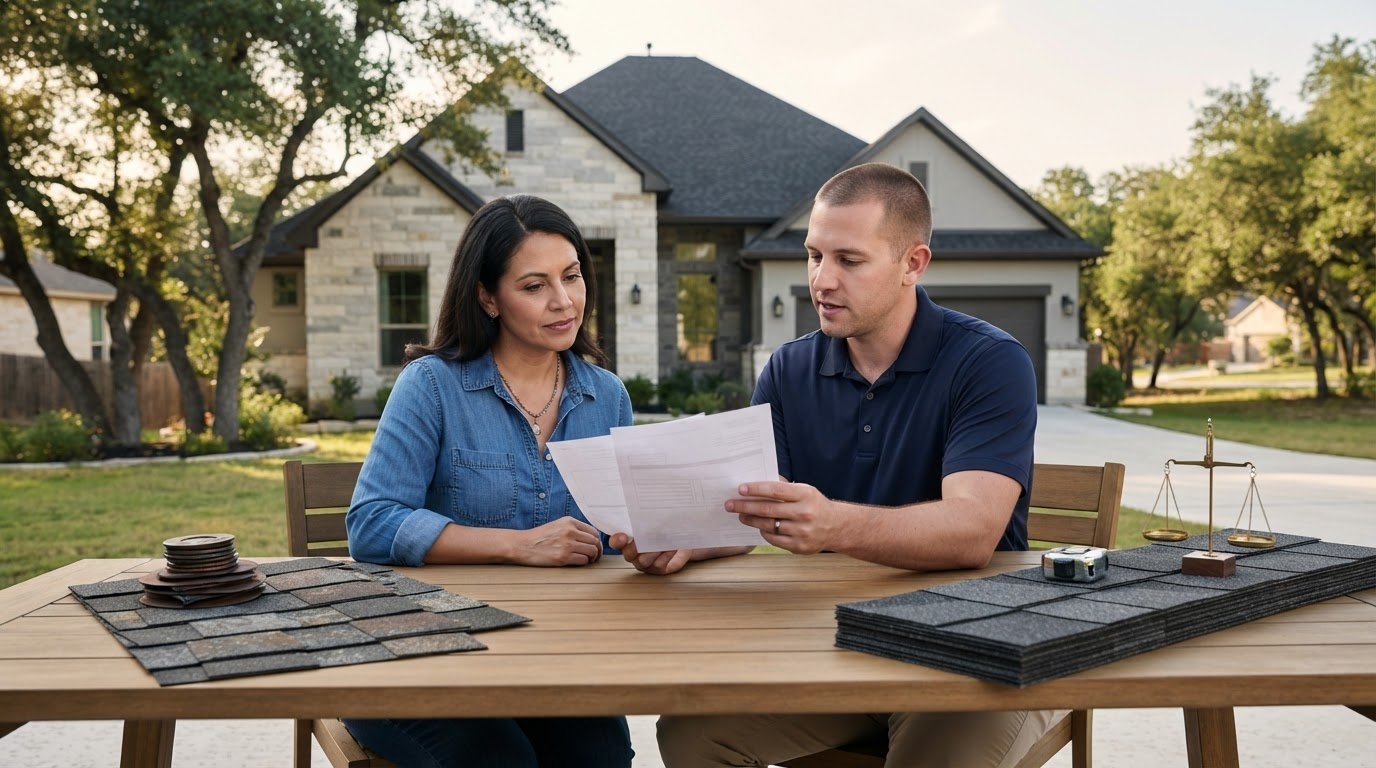
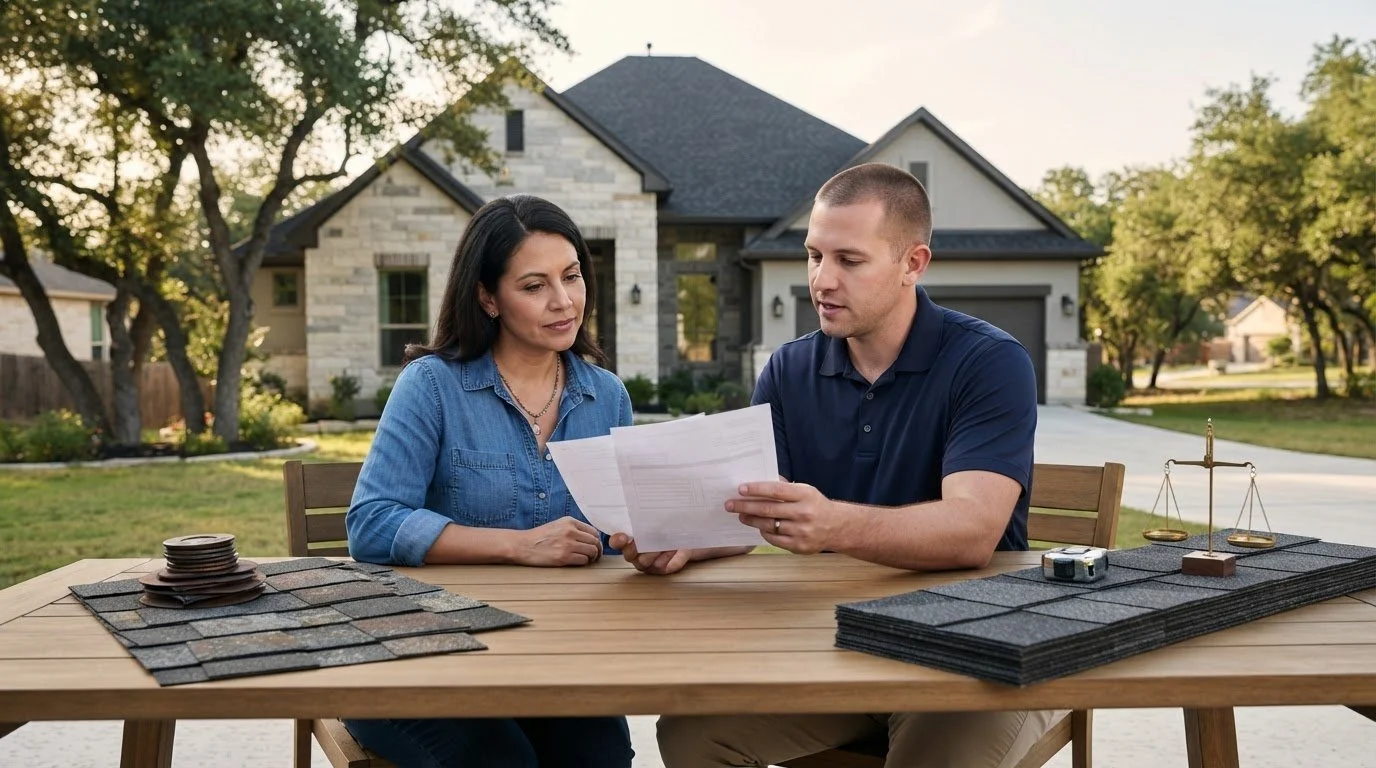
Could two homeowners with similar hail damage receive very different roof claim payments? Policy wording, depreciation, and claim conditions may help explain the difference. If you’re searching “actual cash value vs replacement cost roof texas,” you’re likely trying to understand what those terms could mean for your roof in Austin, Central Texas, Leander, Cedar Park, Georgetown, Round Rock, or Liberty Hill.
It’s easy to mix up the valuation method, the deductible, and a repair estimate, especially after a storm. Actual cash value generally accounts for depreciation, while replacement-cost coverage may handle depreciation differently. The exact terms and claim process depend on the policy.
This guide explains the basic difference, shows what policy language and conditions to check, and offers questions to ask before a storm. The Lewis Agency helps homeowners choose coverage limits and endorsements based on their dwelling and financial needs. The goal here is to help you read your policy with greater confidence, not predict a claim outcome.
Key Takeaways
- For “actual cash value vs replacement cost roof texas,” the key difference is how the policy treats depreciation when valuing roof damage.
- Check your declarations page and policy documents for roof valuation terms and endorsements that may affect coverage.
- Review the deductible separately from depreciation. They are distinct parts of a claim calculation.
- Look for payment conditions and claim requirements, and note what you want clarified before a storm.
- The Lewis Agency can help you understand homeowners coverage options, limits, and endorsements. The insurer makes claim decisions based on the policy and circumstances.
What ACV and Replacement Cost Mean for a Texas Roof
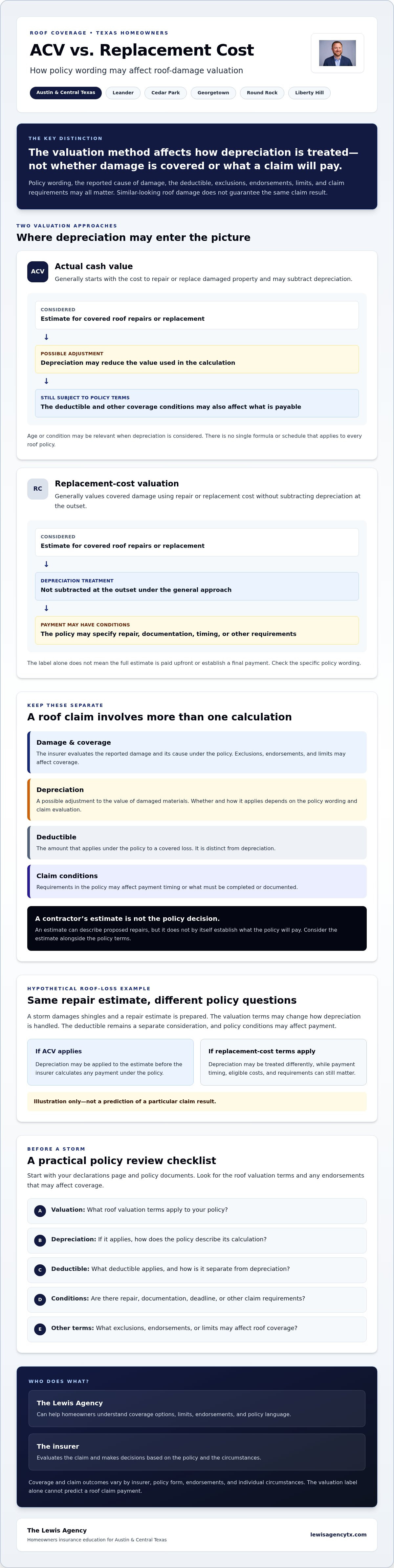
Actual cash value (ACV) and replacement cost are methods a policy may use to value covered roof damage. They describe how the insurer calculates a loss, not whether the damage is covered or exactly what a claim will pay. The question behind “actual cash value vs replacement cost roof texas” is how depreciation and other policy terms may affect the value assigned to roof damage.
In general, ACV starts with the cost to repair or replace damaged property and may subtract depreciation. Replacement-cost valuation generally does not subtract depreciation at the outset. For a neutral overview of the basic ACV concept, see Actual Cash Value (ACV). Your policy’s wording, endorsements, exclusions, deductible, and claim requirements still matter. Neither label alone guarantees that a roof will be replaced or establishes the final payment.
What does actual cash value mean for roof damage?
Depreciation is an adjustment that may reflect a roof’s age, condition, or wear, depending on the policy terms. It can reduce the value used to calculate a claim, but that estimated value is not necessarily the amount ultimately payable. Other terms, including the deductible and coverage conditions, may also affect the calculation.
Hypothetical example: A storm damages shingles, and an estimate is prepared for the covered repair. If the policy uses ACV, depreciation may be applied to that estimate before the insurer calculates any payment under the policy. The estimate, depreciation adjustment, and deductible are separate considerations. This example does not predict a particular claim result.
What does replacement cost mean for a roof?
Replacement cost generally values covered damage based on the cost to repair or replace it without subtracting depreciation at the outset. That does not necessarily mean the insurer pays the full estimate upfront or in every situation. The policy may set conditions for when or how replacement-cost benefits are paid, such as requirements to complete repairs or provide documentation. Check the specific wording rather than relying on the label alone.
For example, if a covered roof loss has a repair estimate, replacement-cost terms may treat depreciation differently from ACV terms. Payment timing, eligible costs, limits, and other requirements can still affect what is payable. Coverage and claim outcomes vary by insurer, policy form, endorsements, and individual circumstances.
How Depreciation and Policy Conditions Can Affect Roof Settlement
A roof claim involves more than choosing between ACV and replacement cost. The insurer evaluates the reported damage and its cause, applies the policy terms, and considers an estimate alongside those terms. Exclusions, endorsements, limits, and claim requirements may also affect the settlement. A contractor’s estimate can describe proposed repairs, but it does not by itself establish what the policy will pay.
The valuation method alone cannot predict a roof claim payment. Coverage, depreciation, the deductible, and policy conditions all matter.
Keep the deductible separate from depreciation. Depreciation is a possible adjustment to the value of damaged materials. A deductible is the amount that applies under the policy to a covered loss. They are different parts of a claim calculation, and the policy wording determines how they apply.
How is roof depreciation considered?
Age and condition may be relevant when depreciation is considered, but there is no single formula or schedule that applies to every roof policy. The policy wording and claim evaluation govern whether depreciation applies and how it is calculated. Do not assume that a particular roof age automatically produces a fixed reduction. Review the terms that apply to your policy and ask for clarification if the calculation is unclear.
Other coverage questions can matter just as much. The policy’s treatment of the reported cause of damage, any exclusions or endorsements, and applicable limits may affect a claim. A hail-damaged roof and a roof with deterioration may raise different coverage questions, depending on the policy and circumstances. Consider an estimate alongside the policy, not in isolation.
Why replacement-cost coverage may involve more than one payment
Some policies may initially withhold depreciation and make it available only after specified claim steps are completed. Conditions vary, so check your policy for deadlines, required documents, repair requirements, or other steps. Do not assume a particular reimbursement process or timeline applies to your roof.
Before authorizing repairs, understand what the insurer has evaluated, which estimate is being used, and whether any payment conditions remain. If the explanation is unclear, ask the insurer or your insurance professional to point out the relevant policy language. Homeowners can also review their homeowners coverage with The Lewis Agency and discuss policy options, limits, and endorsements. Claim decisions and payments are determined by the insurer.
ACV vs. Replacement Cost: What Texas Homeowners Should Compare
When comparing actual cash value vs replacement cost roof texas coverage, look beyond the label. Check how depreciation is handled, whether payment depends on completing repairs, and what the policy requires from you. Replacement-cost coverage does not automatically mean full reimbursement. The deductible, covered damage, limits, exclusions, and claim conditions may affect the final amount.
| What to compare | ACV | Replacement cost | What to verify |
|---|---|---|---|
| Depreciation | May be deducted based on policy terms and claim evaluation. | Generally is not deducted at the outset, but terms vary. | How does the policy define roof valuation and depreciation? |
| Payment conditions | Payment remains subject to coverage terms and the deductible. | Some policies may require certain steps before additional payment is available. | Are repairs, documents, or other claim steps required? |
| Potential out-of-pocket expense | Depreciation may affect the amount available for covered repairs. | Payment may still be affected by the deductible, limits, and policy conditions. | What expenses could remain your responsibility? |
Hypothetical comparison: Imagine the same covered roof damage and repair estimate under two different policy terms. Under ACV terms, depreciation may reduce the amount used to calculate payment. Under replacement-cost terms, depreciation may not be subtracted initially, though the policy could set conditions for receiving an additional amount. The estimate alone does not determine either outcome, and this example does not predict a claim result.
Which roof valuation method may fit your situation?
Consider your budget flexibility, the roof’s condition, and how you would handle a gap between repair costs and available claim funds. Compare the premium and roof coverage shown in your own policy documents. A lower premium by itself does not show whether coverage fits your needs, and neither valuation method is automatically right for every homeowner.
Does roof age decide whether coverage is ACV or replacement cost?
Roof age may affect underwriting or claim valuation, depending on the insurer and policy. But age alone does not establish which method applies or guarantee a change in coverage. Check the current declarations page and any endorsements for roof-specific terms, then ask what wording applies to your home. Do not rely on a general age cutoff instead of reviewing your policy.
How to Review Your Texas Roof Coverage Before a Storm
A policy review is easier before hail or wind damage creates time pressure. Use this sequence to find the roof terms that could shape a claim, then note anything you want clarified. Whether you own a home in Austin, Central Texas, Leander, Cedar Park, Georgetown, Round Rock, or Liberty Hill, confirm what your own policy says instead of relying on a general description of coverage.
- Start with the declarations page. Review the listed property coverage and deductible information. Note whether a separate deductible may apply to wind or hail, then check the policy wording to understand when it applies.
- Confirm the policy form. Find the form identified in your documents and remember that forms and coverage vary by insurer. Do not assume a familiar policy label tells the whole story about roof settlement.
- Look for roof valuation language and endorsements. Search the policy and attached endorsements for terms such as “actual cash value,” “replacement cost,” “roof,” or “depreciation.” Check whether an endorsement changes terms shown elsewhere.
- Review exclusions and claim conditions. Note language that may affect the reported cause of loss, required documentation, repair steps, or deadlines. Ask for clarification if you are unsure what a condition means.
- Keep a record of roof condition. Save relevant inspection, repair, and maintenance records, along with dated photos if available. These records can help describe the roof’s condition, but they do not guarantee coverage or a particular claim payment.
Which policy documents and terms should you check?
Read the declarations page together with the full policy and endorsements. The declarations page can point you to listed coverage and deductible details, while the policy wording explains terms, exclusions, and conditions. The Texas Department of Insurance offers consumer information about homeowners coverage. Check its current guidance and compare it with your policy language.
What should you ask after hail or storm damage?
Record what you observe and preserve relevant maintenance or repair documents. Before authorizing work, ask the insurer how the policy describes roof valuation and which claim steps apply. Do not assume damage is covered based on appearance alone. Coverage depends on the policy and circumstances, and the insurer makes claim determinations.
If you want help discussing your homeowners coverage options, limits, or endorsements, ask The Lewis Agency about your roof coverage. Bring your policy documents and questions so the discussion can focus on the wording that applies to your home.
How The Lewis Agency Can Help You Understand Roof Coverage
Roof valuation language can be difficult to interpret on your own. The Lewis Agency works directly with clients to identify risks and match them with appropriate policies. For homeowners in Austin, Central Texas, Leander, Cedar Park, Georgetown, Round Rock, and Liberty Hill, a conversation about homeowners coverage can help clarify which policy limits or endorsements may suit the dwelling and the homeowner’s needs.
Reviewing your coverage before a storm can help you identify questions while there is time to look up the relevant terms. This discussion does not determine whether damage is covered or how much a claim will pay. The insurer reviews the claim and makes coverage and payment decisions based on the policy and circumstances.
What an insurance agency can clarify about roof coverage
An agency can help you discuss homeowners policy options, limits, and endorsements. You might ask where your documents address roof valuation, which deductible information to review, or whether an endorsement changes the coverage terms. Having the declarations page, full policy, and endorsements available can make it easier to focus on the specific wording in your documents.
Those conversations are about understanding and choosing coverage. They do not replace the insurer’s evaluation of a particular loss or determine claim payments, underwriting, rates, or coverage decisions. If a question depends on how the insurer evaluates reported damage, the insurer is the source for a decision about that claim.
A practical next step for Austin and Central Texas homeowners
Before asking about actual cash value vs replacement cost roof texas, gather your declarations page, full policy, and any endorsements. Mark passages you have questions about and make a short list covering:
- How the policy describes roof valuation and depreciation
- Which deductible information applies to roof damage
- Any exclusions, endorsements, or conditions that may affect a claim
- What steps or documentation the policy requires during the claims process
Having these documents at hand makes it easier to discuss the language that applies to your home, rather than relying on general assumptions about Texas roof claims. Policy terms and coverage vary, so use your own documents as the starting point.
If you have a question about your homeowners policy, ask a question about your homeowners coverage. A conversation can help clarify your coverage options and which questions may need to be directed to the insurer.
Review Your Roof Coverage Before the Next Storm
Understanding actual cash value vs replacement cost roof texas coverage starts with knowing how your policy treats depreciation, which deductible applies, and whether payment depends on specific claim steps. The valuation label alone cannot tell you what a future claim will pay. Your policy wording, endorsements, and circumstances matter.
Review your declarations page and policy documents. Look for roof valuation language, exclusions, applicable deductibles, and claim conditions. If a term is unclear, write down your questions and ask for an explanation before you need to make decisions after a storm.
The Lewis Agency helps clients identify risks and choose appropriate coverage. Homeowners in Austin, Central Texas, Leander, Cedar Park, Georgetown, Round Rock, and Liberty Hill can discuss homeowners policy limits and endorsements with the agency. The insurer makes coverage and claim decisions.
Bring your questions and policy documents together for a clearer conversation. Ask a question about your homeowners coverage and take the next step toward understanding what your policy says.
Frequently Asked Questions
What is the difference between ACV and replacement cost for a roof?
ACV generally values covered roof damage after accounting for depreciation, which may reflect age, condition, or wear under the policy. Replacement-cost valuation generally uses repair or replacement cost without subtracting depreciation at the outset. The phrase “actual cash value vs replacement cost roof texas” refers to this basic distinction, but neither label promises a particular payment. Your policy wording, covered cause of loss, deductible, and claim conditions determine how the terms apply.
Does replacement-cost coverage pay to replace the entire roof?
Not necessarily. Replacement-cost coverage does not guarantee approval of a full roof replacement or full reimbursement of an estimate. The insurer evaluates the reported damage under the policy, and covered damage, deductibles, limits, exclusions, and required claim steps may affect payment. Review your own policy for the applicable terms. If the wording is unclear, ask your insurer or agent to explain it without assuming a particular claim outcome.
How is depreciation calculated on a Texas roof claim?
There is no single depreciation formula or rate that applies to every Texas roof claim. How depreciation is considered depends on the policy wording and the insurer’s evaluation of the claim. Ask how the roof’s age and condition were assessed and where the relevant valuation terms appear in your policy or endorsements. That can help you understand the calculation being used, but it does not establish the final claim payment.
Can an insurer settle a roof claim using ACV in Texas?
The applicable policy and the circumstances of the loss determine how a roof claim may be valued. There is no one answer for every Texas homeowner. Review your policy’s valuation provisions and any roof-related endorsements to see which terms apply. For Texas consumer guidance, consult current information from the Texas Department of Insurance. You can also ask your insurer or agent to explain relevant wording without assuming a specific claim result.
Does roof age affect actual cash value or replacement-cost coverage?
Roof age may affect underwriting or claim settlement, depending on the insurer and policy, but it does not create one universal outcome. Age alone may not tell you which valuation method applies or how a future claim would be handled. Check your policy and any roof-specific endorsements for the terms that apply to your home. Ask your insurer or agent to clarify the wording rather than relying on a general age cutoff.
What should I check in my policy before filing a roof claim?
Look for roof valuation language, applicable deductibles, exclusions, endorsements, documentation requirements, and claim conditions. Your declarations page may identify some coverage and deductible details, but it may not contain every relevant term. Read it alongside the full policy and endorsements. If a provision is unclear, ask your insurer or agent to explain what it says and which claim steps may apply. That explanation can help you understand the process, but it cannot promise a claim result.
Can The Lewis Agency decide whether my roof claim will be paid?
No. The insurer makes coverage and payment decisions based on the policy and circumstances of the loss. The Lewis Agency can help clients identify risks and discuss homeowners policy options, limits, and endorsements, but it cannot control a claim determination or guarantee an outcome. Homeowners in Austin, Central Texas, Leander, Cedar Park, Georgetown, Round Rock, and Liberty Hill can contact the agency with questions about their coverage.
Article by
Chris Lewis
Chris Lewis is the owner of The Lewis Agency, an Allstate insurance agency serving Austin and Central Texas. With more than 25 years of insurance experience, Chris focuses on helping Central Texas homeowners better understand their insurance coverage, including deductibles, roofs and hail, severe weather risks, water damage and other important coverage considerations. He created LewisAgencyTX.com to provide practical homeowners insurance education and help homeowners better understand their coverage before they need it.

Dwelling Coverage Homeowners Insurance Texas: Complete Policy Guide (2026)
Learn how dwelling coverage homeowners insurance Texas policies protect your home. Understand rebuild costs, hail deductibles, and policy limits with confide...

One of the most important numbers on a Texas homeowners insurance policy is the dwelling coverage limit—but it's also one of the easiest to misunderstand. Your home's insured value isn't necessarily the same as its market value, tax appraisal or purchase price.
In reality, market values and physical construction expenses are entirely different calculations. You don't want to pay high premiums for bloated protection, but you also cannot afford an unexpected shortfall when severe hailstorms strike. In this guide, you'll learn how Coverage A protects your home's structure, why rebuild expenses differ from market valuations, and how to establish accurate policy limits. We'll examine how replacement cost mechanics work, unpack percentage-based hail deductibles, and help you evaluate your coverage options with total confidence.
Key Takeaways
- Learn how dwelling coverage homeowners insurance Texas policies provide essential structural protection for your foundation, framing, and roof system after covered losses.
- Discover why real estate market value and property tax appraisals differ significantly from the actual labor and material costs required to reconstruct your home.
- Understand the vital financial distinctions between replacement cost settlements and actual cash value claim payouts, particularly for aging roof systems.
- Find out how evolving municipal building codes across Central Texas impact your repair requirements and why regular limit reviews prevent costly out-of-pocket shortfalls.
What Is Dwelling Coverage in Texas Homeowners Insurance?
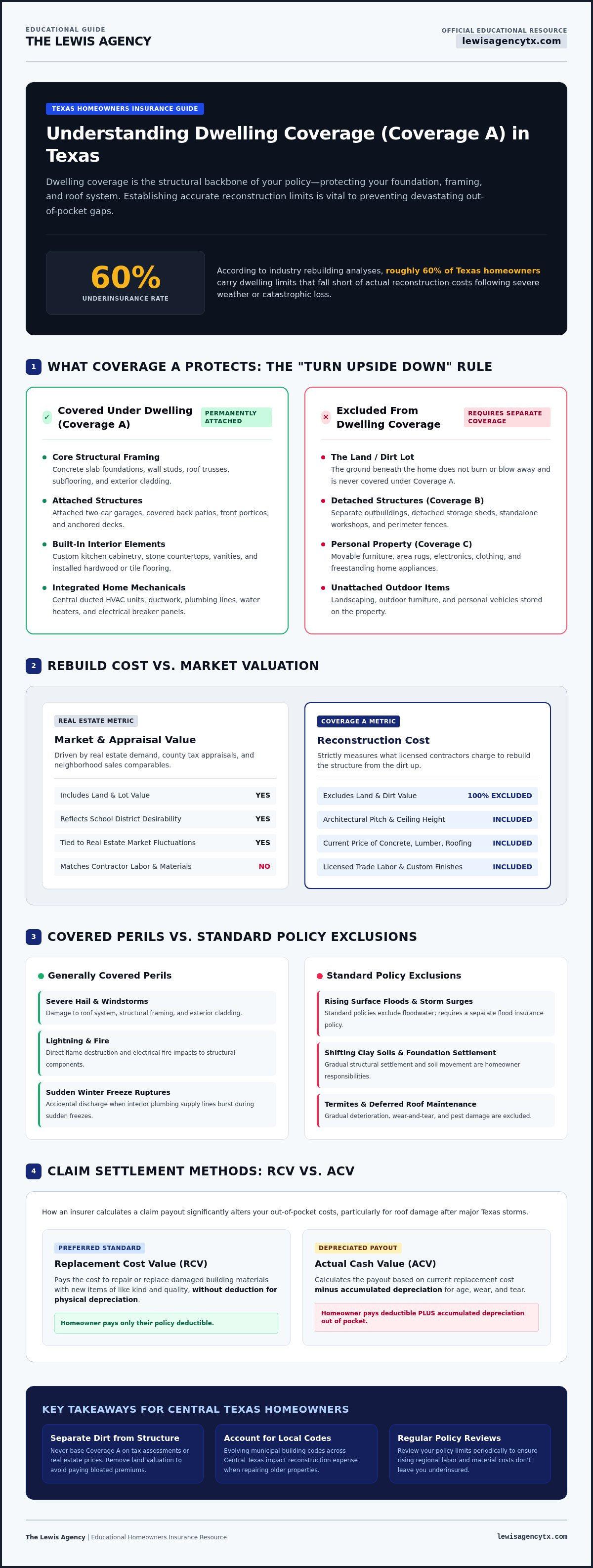
Dwelling coverage, officially designated as Coverage A, forms the structural backbone of your policy. It pays to repair or rebuild the physical structure of your primary residence if damaged or destroyed by a covered loss. Rather than protecting the land beneath your feet or the furniture inside your rooms, this specific coverage focuses entirely on the bricks, mortar, and framing that keep a roof over your head.
In standard homeowners insurance policies, the dwelling limit serves as the baseline for the rest of your protection. The dollar amount you select for Coverage A directly dictates the formulaic limits available for other structures, personal property, and temporary living expenses. That makes setting an accurate limit for your dwelling coverage homeowners insurance Texas policy one of the most critical decisions you will make as a homeowner.
What Dwelling Coverage Protects Inside and Outside
Coverage A extends beyond the exterior siding to include permanently installed fixtures that make the house functional. If you could turn the house upside down, anything that stays attached typically falls under dwelling protection:
- Core structural framing: Concrete slab foundations, wall studs, roof trusses, subflooring, and exterior cladding.
- Attached structures: Attached two-car garages, covered back patios, front porticos, and permanently anchored decks.
- Built-in interior elements: Custom kitchen cabinetry, stone countertops, vanities, and installed hardwood or tile flooring.
- Integrated home mechanicals: Central ducted HVAC units, ductwork, plumbing lines, water heaters, and electrical breaker panels.
Items not permanently joined to the structure fall outside this protection. Separate outbuildings like detached storage sheds, standalone workshops, and perimeter fences require separate other structures coverage, while furniture and rugs belong to personal property.
Common Covered Perils vs. Standard Policy Exclusions
Texas weather presents substantial hazards to residential framing and roofs. Understanding how your dwelling coverage homeowners insurance Texas policy responds to sudden regional weather events ensures you know where policy boundaries lie.
Most standard policies cover perils like lightning, fire, high winds, and severe hail damage. They also generally cover sudden, accidental water discharge, such as an interior supply line that ruptures during an unexpected winter freeze. However, standard policies carry strict exclusions. Rising surface floodwaters, river overflows, and storm surges are excluded, requiring separate flood insurance policies. Similarly, gradual structural issues, such as foundation cracks caused by shifting clay soils, termite damage, or deferred roof maintenance, remain the homeowner's responsibility.
Dwelling Rebuild Value vs. Market Value in Texas
One common mistake homeowners make is assuming market value equals reconstruction cost. When your county appraisal district sends its annual property valuation, that total reflects buyer demand, school district boundaries, and neighborhood appeal. Your policy's Coverage A limit, however, exists strictly to purchase physical materials and hire licensed trades to reconstruct your home from the dirt up. As highlighted in the Texas Department of Insurance Home insurance guide, your structural limits need to reflect true replacement expense rather than real estate transactions or outstanding mortgage balances.
Why Real Estate Market Valuations Mislead Homeowners
Real estate appraisals bundle the value of your physical home together with the raw land it occupies. When a total catastrophe strikes, the lot beneath your home does not burn away. Factoring land value into your dwelling limits results in purchasing unnecessary coverage and paying inflated premiums for dirt that cannot be destroyed. Conversely, if local property sales cool down, the price of concrete, roofing, and skilled trade labor does not suddenly drop alongside home prices.
Key Factors Driving Texas Reconstruction Expenses
Calculating accurate replacement limits requires looking directly at physical construction variables rather than neighborhood sales comparables. Several regional elements determine what contractors charge to restore a damaged property:
- Architectural complexity: Steep roof pitches, custom masonry, high ceilings, and non-standard floor plans require specialized installation labor.
- Interior finish tiers: Rebuilding basic builder-grade trim involves different material expenses than replicating custom hardwood cabinetry, imported tile, and solid stone surfaces.
- Suburban trade demand: Fast-growing Central Texas communities like Leander, Liberty Hill, and Pflugerville experience high competition for subcontracting crews, which directly affects local labor rates.
- Demolition and debris haul-away: Before a builder pours fresh concrete, heavy equipment must break down damaged structures, clear hazardous rubble, and haul away debris to designated landfills.
If you aren't sure whether your current policy accounts for these regional construction realities, sitting down with The Lewis Agency can help you evaluate your property's specific characteristics and verify your numbers against local building trends.
Replacement Cost vs. Actual Cash Value on Texas Homes
Setting an accurate limit is only half the equation; the claim settlement method written into your contract determines how disbursements are calculated after a loss. When damage occurs, insurance carriers settle structural claims under either Actual Cash Value (ACV) or Replacement Cost Value (RCV). Knowing which provision applies to your structure protects your household from unexpected out-of-pocket bills.
Industry guidance on calculating your home's replacement cost emphasizes meeting your insurer's coinsurance requirements. According to the Texas Department of Insurance, most insurers require homeowners to maintain coverage equal to at least 80% of the home's total replacement cost. Falling short of this threshold can trigger coinsurance penalties, meaning the carrier reduces claim payouts on partial losses proportionally, leaving you responsible for the remaining balance.
Comparing Actual Cash Value and Replacement Cost
Actual cash value subtracts physical depreciation, factoring in the age and prior condition of your building materials before issuing payment. If an older roof sustains severe damage under an ACV provision, the insurer subtracts years of normal wear, paying only its current value. Replacement cost coverage pays to rebuild or replace damaged property with new materials of like kind and quality, without deductions for deterioration. Because of this added financial security, mortgage lenders routinely require replacement cost coverage on residential loans.
Extended Replacement Cost and Inflation Guard Endorsements
Severe storm outbreaks frequently generate localized shortages of building materials and trade labor. When widespread hail damages hundreds of homes in a single community, local construction costs can surge overnight, occasionally exceeding initial estimates.
Adding an extended replacement cost endorsement gives your dwelling coverage homeowners insurance Texas policy an extra safety buffer. Depending on policy terms, this endorsement provides an additional percentage of structural coverage above your stated Coverage A limit if localized demand drives up reconstruction expenses. Pairing this buffer with an inflation guard endorsement helps ensure your base limits steadily adjust over time, preserving your financial protection against ongoing price increases.
Tailoring Dwelling Coverage to Texas Perils and Local Codes
Every region presents its own set of environmental threats, but the Lone Star State is notorious for volatile weather patterns. From severe straight-line winds and tornadoes to spring hail swarms and bitter winter freezes, your home's structural framing and roof endure extraordinary strain. Structuring your dwelling coverage homeowners insurance Texas policy requires tailoring your protections to these specific regional realities rather than settling for a generic policy template.
Managing Hail Risks and Percentage Deductibles
Severe convective storms, hail, and high winds generate over 60% of all Texas homeowners insurance losses. Because hail risk is so high across the state, Texas insurers commonly write separate wind and hail deductibles structured as a percentage rather than a flat dollar amount. Crucially, this percentage applies directly to your Coverage A dwelling limit, not the total amount of storm damage.
For example, if your dwelling limit sits at $400,000 and your policy includes a 2% wind and hail deductible, your out-of-pocket obligation is $8,000 before insurance proceeds cover a single dollar of roof repairs. Under Texas Business & Commerce Code § 27.02, it is illegal for roofing contractors to absorb, rebate, or waive this deductible, meaning policyholders must pay this amount themselves. Keeping your baseline dwelling limit accurate prevents your percentage deductible from inflating unnecessarily while still ensuring adequate reconstruction funds.
The Role of Ordinance or Law Coverage in Growing Communities
Standard home policies agree to rebuild damaged structures back to their original specifications. However, fast-growing municipalities across Travis and Williamson counties regularly update local building standards. Cities like Cedar Park, Buda, and Round Rock frequently adopt newer revisions of the International Residential Code (IRC) along with stricter energy conservation mandates.
If extensive repairs require upgraded electrical panels, modified roof decking fasteners, or modern plumbing pipe configurations, standard policies typically provide little or no funding for those mandatory improvements. Adding an Ordinance or Law endorsement bridges this financial gap, providing dedicated funds to cover the code-mandated upgrades required by municipal inspectors during reconstruction.
Taking time to review your policy details can save your family thousands of dollars after a storm. If you want a clear, personalized assessment of your structural limits and roof deductibles, contact The Lewis Agency to walk through your current homeowners coverage.
How to Review and Adjust Your Texas Dwelling Coverage Limits
Homes evolve over time, and regional construction expenses shift alongside them. Leaving a policy on autopilot for years creates a dangerous gap between your coverage limits and actual local building expenses. Maintaining the right dwelling coverage homeowners insurance Texas policy requires ongoing attention rather than a one-time estimate. Instead of relying on rough square-footage guesses, accurate structural evaluations utilize comprehensive replacement cost estimators that account for your home's unique layout, foundation, and interior craftsmanship.
Triggers That Require Adjusting Your Coverage A Limits
Everyday improvements and market shifts alter your replacement needs. You should reach out to adjust your Coverage A baseline whenever you experience one of these key milestones:
- Interior remodeling: Upgrading to custom solid wood cabinetry, luxury bathroom fixtures, or high-end stone countertops increases the physical cost required to restore damaged rooms.
- Added square footage: Finishing a bonus room over your garage, enclosing a back patio, or constructing an attached guest suite expands your total rebuild footprint.
- Mechanical installations: Adding permanent infrastructure like whole-home standby generators, multi-stage HVAC systems, or built-in water filtration systems adds substantial replacement value.
- Regional cost shifts: General changes in subcontractor availability and supply chain pricing across Williamson and Travis counties can quietly leave older policy limits behind.
Working with The Lewis Agency on Your Coverage
Having experienced local guidance makes evaluating structural protection straightforward and stress-free. As a dedicated Allstate agency serving Central Texas communities like Austin, Round Rock, Cedar Park, Leander, and Pflugerville, The Lewis Agency understands how regional weather exposures and municipal building standards affect your home.
Agent Chris Lewis takes the time to sit down with you, examine your home's specific building features, and ensure your structural limits and deductibles work together effectively. When you want clear answers and personalized attention, schedule a consultation with The Lewis Agency to review your Texas homeowners policy and ensure your coverage matches your family's needs.
Protect Your Central Texas Home with the Right Structural Limits
Securing adequate dwelling coverage homeowners insurance Texas policies offer isn't about matching your neighbor's policy or relying on county tax appraisals. It's about making sure your Coverage A limit realistically reflects the current materials, specialized labor, and building codes required to restore your home after an unexpected catastrophe. Balancing replacement cost provisions with manageable percentage deductibles ensures you aren't caught off guard when severe weather rolls across the state.
You don't have to decipher these complex structural details by yourself. As a dedicated local Allstate agency serving Austin, Round Rock, Cedar Park, Leander, and Pflugerville, The Lewis Agency provides personalized coverage reviews tailored to regional construction trends. Agent Chris Lewis brings experienced, neighborly guidance to every conversation, helping you evaluate your property's specific rebuild requirements with total clarity.
Take the uncertainty out of your homeowners policy. Review your Texas homeowners coverage with The Lewis Agency today, and enjoy the lasting confidence that comes from knowing your home is thoroughly protected.
Frequently Asked Questions
How do I know if my Texas dwelling coverage limit is high enough?
Your limit is high enough if it matches a professional replacement cost calculation rather than your home's purchase price. A detailed replacement cost estimate examines your square footage, roof pitch, custom finishes, and local trade wages across Central Texas cities like Round Rock and Leander. Annual reviews ensure your dwelling coverage homeowners insurance Texas policy limit keeps pace with shifts in material costs and regional building expenses.
Is dwelling coverage based on the county property tax appraisal value in Texas?
No, dwelling coverage is never based on county property tax appraisal numbers. County appraisals evaluate the market value of your property, which includes both the physical house and the underlying parcel of land. Rebuild insurance strictly covers the labor, equipment, and building materials needed to reconstruct the structural dwelling. Because your land doesn't disappear during a loss, tying your policy limit to tax records results in inaccurate coverage.
What happens if my home costs more to rebuild than my dwelling coverage limit?
If rebuild expenses exceed your limit, you must pay the remaining balance out of pocket. Standard policies pay claims only up to the stated Coverage A limit on your declarations page. However, adding an extended replacement cost endorsement provides an additional percentage buffer above your base limit if localized disasters cause sudden surges in labor and lumber costs. Reviewing your policy prevents catastrophic out-of-pocket shortfalls during major community rebuilding phases.
Does dwelling insurance cover roof damage caused by severe Texas hailstorms?
Yes, standard policies generally cover hail damage to roofs, but specific settlement terms depend on your policy language. Hail is typically a covered peril, but your claim payout depends on whether your policy pays replacement cost or actual cash value based on roof age. Texas policies also apply separate wind and hail deductibles, which require an out-of-pocket percentage payment based on your total dwelling limit before claim funds are released.
Can I lower my dwelling coverage to reduce my homeowners insurance premium?
You shouldn't artificially lower your Coverage A limit simply to reduce your premium. Insurers generally require coverage equal to at least 80% of replacement costs to avoid coinsurance penalties on partial claims. Dropping your structural limit below true rebuild expenses exposes your family to major out-of-pocket liabilities. Instead of cutting essential dwelling protection, explore adjusting your policy deductibles or reviewing eligible policy credits with your local agent.
Does dwelling insurance cover foundation damage caused by shifting Texas soil?
Standard policies exclude foundation damage caused by normal soil expansion, contraction, or settling. The expansive clay soils common across Austin, Pflugerville, and Williamson County frequently cause ground movement, but standard Texas home policies treat this as gradual wear. However, if foundation cracking results directly from an accidental, sudden plumbing freeze or interior pipe rupture, limited coverage may apply depending on your specific policy endorsements and water damage riders.
What is the difference between dwelling coverage and other structures coverage?
Dwelling coverage protects your primary residence and permanently attached features, while other structures coverage protects unattached outbuildings. Your dwelling limit pays for repairs to your house, roof, foundation, and attached garage. Other structures coverage, known as Coverage B, specifically covers separate physical assets on your property grounds, such as detached storage sheds, standalone workshops, gazebos, and perimeter fencing, typically set as a default percentage of your dwelling limit.
Article by
Chris Lewis
Chris Lewis is the owner of The Lewis Agency, an Allstate insurance agency serving Austin and Central Texas. With more than 25 years of insurance experience, Chris focuses on helping Central Texas homeowners better understand their insurance coverage, including deductibles, roofs and hail, severe weather risks, water damage and other important coverage considerations. He created LewisAgencyTX.com to provide practical homeowners insurance education and help homeowners better understand their coverage before they need it.